


In the footwear industry, rubber yarn plays a vital role in improving the performance and comfort of various footwear. It is often used to make elastic shoelaces that provide a secure fit while allowing for easy adjustment. In addition, rubber yarn is used in shoe linings and insoles to provide a comfortable wearing experience by providing flexibility and cushioning. The inherent stretchability of this material makes it ideal for sports and casual shoes as it adapts well to different foot shapes and movements, ensuring functionality and fashion for daily and sports-related activities.
One-Stop Solution
As the demand for high-performance footwear continues to rise, the versatility of rubber yarn becomes increasingly valuable in meeting consumer expectations. This innovative material not only enhances comfort and fit but also opens up new possibilities for design and functionality, making it an essential component in the production of modern footwear.


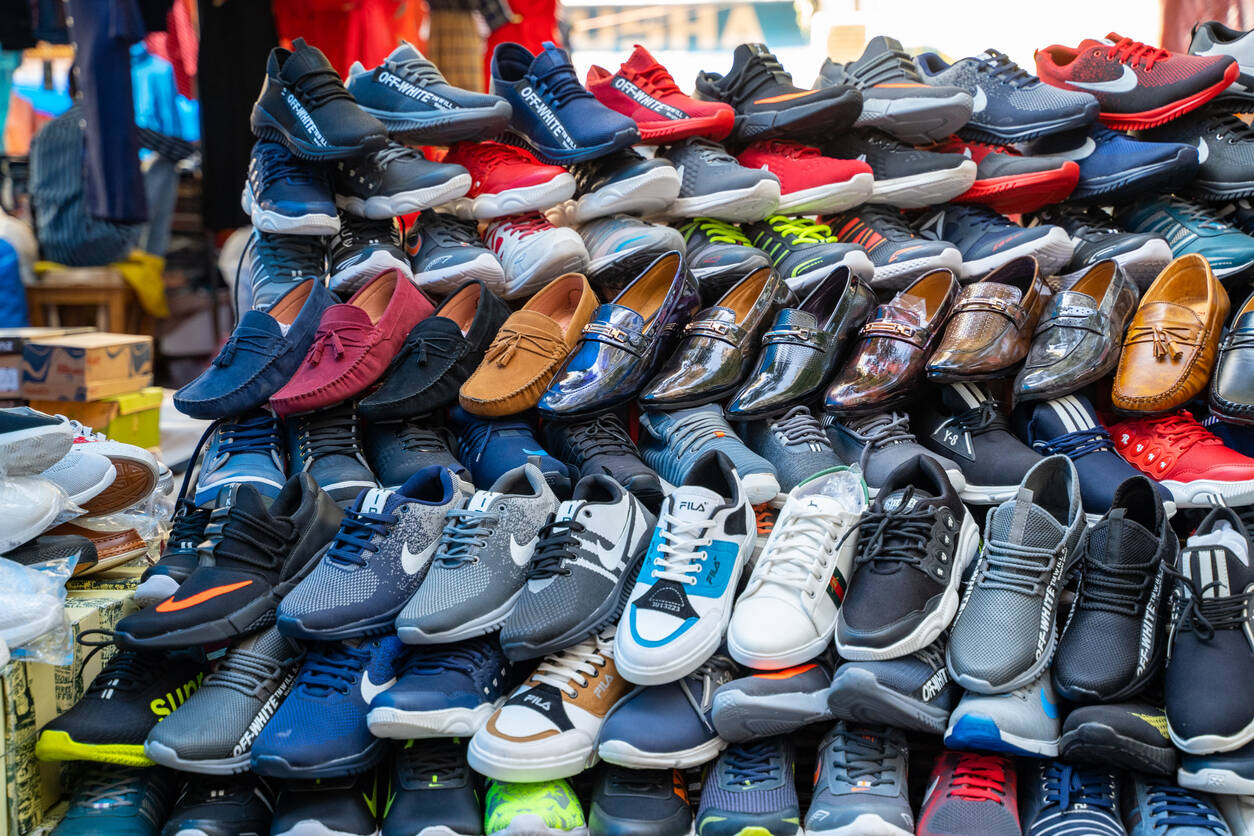
Rubber yarn is engineered to deliver exceptional elasticity, setting it apart from traditional materials commonly used in footwear manufacturing. This remarkable elasticity allows rubber yarn to stretch and conform to the unique contours of each individual's foot, ensuring a secure yet comfortable fit. As a result, footwear made with rubber yarn can effectively accommodate a diverse range of foot shapes and sizes. This adaptability is especially beneficial for consumers who may struggle to find well-fitting shoes due to variations in foot structure. With rubber yarn, wearers can enjoy a personalized fit that enhances comfort and support. Furthermore, this feature significantly reduces the likelihood of discomfort or blisters, as the material's ability to stretch alleviates tight spots that can cause irritation.
1. What are the primary benefits of using rubber yarn in footwear manufacturing?
2. In what specific types of footwear is rubber yarn commonly used?
3. How does rubber yarn contribute to the performance of athletic footwear?
In athletic footwear, rubber yarn enhances performance by providing exceptional shock absorption and flexibility. Its ability to stretch allows for better movement and support during high-impact activities, reducing the risk of injuries. The cushioning properties of rubber yarn also help to improve energy return, allowing athletes to perform at their best without discomfort.
4. Can rubber yarn be used in waterproof or water-resistant footwear?
Yes, rubber yarn can be incorporated into waterproof or water-resistant footwear. Its inherent moisture resistance helps to keep feet dry while maintaining comfort. Additionally, when combined with other waterproof materials, rubber yarn can enhance the overall performance of shoes designed for wet environments, making them suitable for activities like hiking, fishing, or working in outdoor settings.
5. How does the environmental impact of rubber yarn compare to other materials used in footwear?
Rubber yarn can be more environmentally friendly than synthetic alternatives, especially when derived from sustainable sources. Many manufacturers are exploring eco-friendly rubber options that minimize environmental impact. Additionally, rubber yarn's durability contributes to longer-lasting footwear, reducing waste and the frequency of replacements.
6. What considerations should manufacturers keep in mind when using rubber yarn?
7. Is rubber yarn suitable for all climates and conditions?